
Avoiding Mistakes with Nielsen Heuristics in Product Design

Introduction
Nielsen's heuristics are a cornerstone of UX design, providing a framework to evaluate user interfaces. However, their misapplication can lead to design flaws that hinder usability and user satisfaction.
This article explores common mistakes in leveraging these heuristics and why understanding them is critical for crafting intuitive digital products. By identifying these pitfalls, teams can enhance their design processes and improve user outcomes.
Core UX/UI Principles Behind Nielsen Heuristics
Understanding Nielsen's Heuristics
Nielsen's heuristics include principles like visibility of system status and consistency and standards. These guidelines help ensure interfaces communicate effectively with users, maintaining clarity and consistency.
Connecting Theory to Interface Behavior
For example, the heuristic of error prevention is crucial in form design. Ensuring fields have clear instructions and validation feedback reduces user frustration and error rates.
Common UX/UI Mistakes
Ignoring User Feedback
A frequent error is neglecting user feedback mechanisms, which violates the heuristic of visibility of system status. Users need ongoing feedback to understand their actions' impact, especially in complex workflows.
Overcomplicating Navigation
Complex navigation structures can confuse users, breaking the heuristic of consistency and standards. This often results from an overemphasis on innovative design at the expense of intuitive usability.
Practical Examples & Mini Case Studies
Case Study: SaaS Onboarding Flows
A SaaS platform streamlined its onboarding process by reducing steps and providing progress indicators, improving completion rates by 30%. This aligns with the heuristic of visibility of system status.
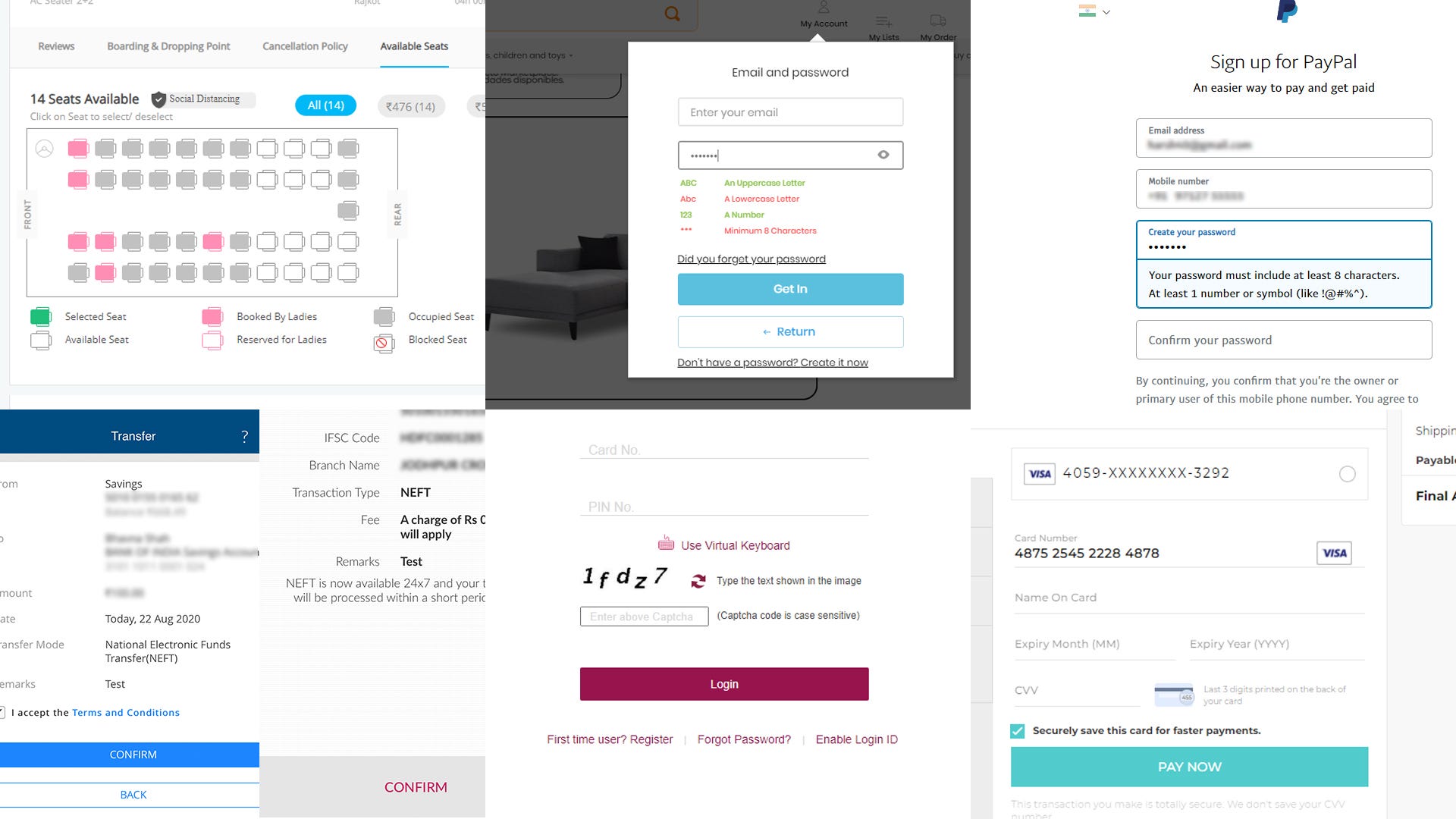
Example: E-commerce Checkout
An e-commerce site improved its checkout process by simplifying form fields and providing real-time validation, enhancing user satisfaction and reducing cart abandonment.
Actionable UX/UI Best Practices
Enhancing System Feedback
Implement real-time feedback mechanisms in forms to guide user input.
Ensure clear and immediate confirmations for user actions, like submissions.
Streamlining Navigation
Adopt a consistent navigation pattern across all pages.
Use breadcrumbs to enhance user orientation within complex sites.
How Teams Can Detect These Issues
Conducting UX Audits
Teams should regularly perform UX audits to identify heuristic violations. These audits can uncover areas where user feedback mechanisms are lacking or navigation is inconsistent.
Heuristic Reviews
Regular heuristic reviews help teams maintain design consistency. By evaluating interfaces against established heuristics, designers can spot and rectify deviations that impact usability.
Conclusion
Nielsen's heuristics remain a vital tool in UX design, but their misapplication can lead to significant usability issues. By understanding common mistakes and employing best practices, teams can design more intuitive and effective digital products.
Utilizing AI-powered tools like Heurilens can further assist in identifying and correcting these design flaws, ensuring a superior user experience.
Image Source: https://uxplanet.org/heuristics-5-error-prevention-simplified-by-the-examples-67674daa2860
Was this article helpful?